
GnatGuard Bloom - Preventative Soil Shield
Peso
114g
Tiempo
3h 33m
Precio
Cotiza este producto por WhatsApp
Contáctanos y te damos el precio según color y acabado
Las dimensiones dependen del diseño. Confirmamos las medidas exactas por WhatsApp.
Descripción
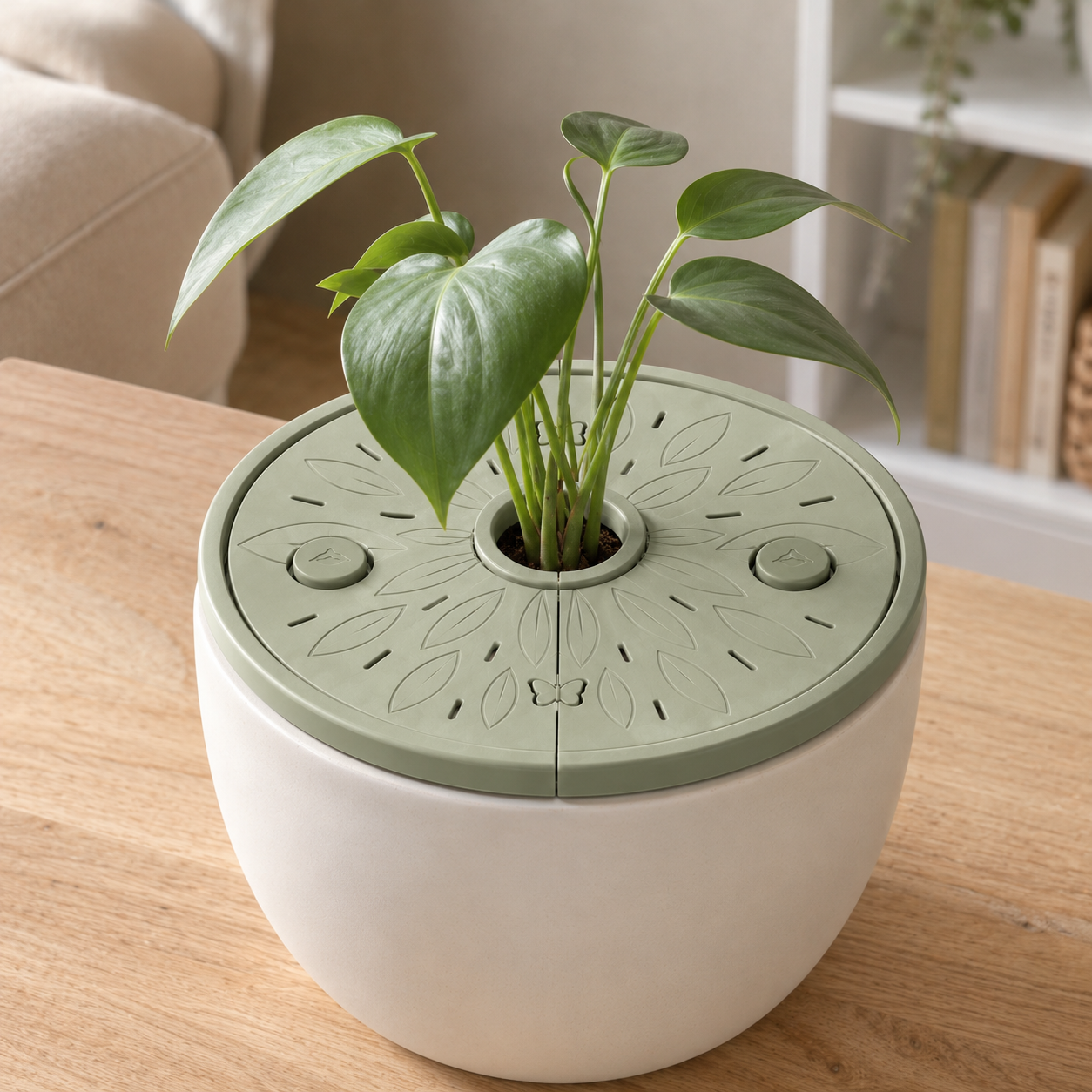
Boost MeThank you all who downloaded this model and found it helpful. Please leave a boost if you have one available :) Stop giving fungus gnats easy access to the soil. When I started thinking about a design for the Bug Off contest, I noticed that many pest control designs approach the problem the same way: attract the bug, trap it, and deal with it after it has already become a nuisance. I wanted to approach the problem from the opposite direction. Instead of creating another container designed to capture fungus gnats after they appear, GnatGuard Bloom is designed to help discourage them from accessing the exposed potting soil in the first place. Fungus gnats are especially frustrating for houseplant owners because the moist organic material in potting soil can provide an attractive environment for them. Once adults begin hanging around a plant, simply catching individual gnats doesn't necessarily address what is drawing them to the pot. GnatGuard Bloom turns the normally exposed surface of the planter into a mostly covered, controlled area while still allowing the plant to function normally. A Prevention-First Approach The idea behind GnatGuard Bloom is simple: Reduce easy access to the soil instead of waiting for insects to arrive and trapping them afterward. The cover sits over the exposed potting mix and surrounds the existing plant stems. Rather than leaving the entire surface of the soil open, only the areas intentionally designed into the cover remain accessible. This doesn't rely on sticky traps, bait, vinegar, disposable cartridges, chemicals, or electricity. It's simply a reusable physical barrier designed specifically for houseplants. Designed Around Existing Plants One of the biggest challenges was making a soil cover that didn't require removing or repotting the plant. That's why GnatGuard Bloom is split into two separate halves. Each half can be positioned around an existing plant, and the pieces meet in the center to form the completed circular cover. The two halves are secured using the small butterfly-style locking pieces along the seam. I wanted these connectors to be functional without looking like ordinary clips or hardware, so the butterfly shape became part of the botanical design rather than something that needed to be hidden. The result is a cover that can be installed or removed without disturbing the root system or trying to feed an entire plant through a solid opening. Built-In Watering Access Completely covering the soil would obviously create another problem: watering the plant. To solve that, GnatGuard Bloom includes two dedicated watering openings positioned on opposite sides of the cover. Each opening has a removable circular cap. When it's time to water: Remove one or both caps. Water directly through the opening. Replace the caps when finished. This keeps the majority of the soil covered while still providing convenient access whenever the plant needs water. The caps are intentionally simple and smooth so they blend into the overall design rather than looking like additional attachments. Ventilation Without Leaving the Soil Completely Exposed A series of small rounded ventilation openings are arranged throughout the cover. These help prevent the design from becoming a completely sealed lid while still leaving dramatically less open soil surface compared with an uncovered flowerpot. The vents were incorporated into the decorative pattern so they don't look like random holes cut into the model. A Functional Design That Can Still Look Good in Your Home Because this is something that could remain on a houseplant every day, I didn't want it to look like pest-control equipment. The top surface uses a radial botanical pattern made from engraved leaves surrounding the plant. The design includes: Engraved leaf detailing Radial ventilation openings Raised outer perimeter Raised center stem ring Symmetrical watering ports Butterfly seam connectors Two-piece construction Together, these features make the cover look closer to a decorative planter accessory than a traditional insect-control product. That was important to me because houseplants are often part of someone's home decor. A pest solution shouldn't make the plant look worse. Why This Is Different From a Traditional Gnat Trap Most gnat and fruit-fly solutions focus on what happens after the insects are already flying around. They attract them. They capture them. They collect them. GnatGuard Bloom takes a different approach. It doesn't try to become the most effective place in the room for a gnat to land. Instead, it attempts to make the planter itself a less accessible environment from the start by covering most of the exposed soil. Think of it as the difference between: Trap: “Come here so I can catch you.” and GnatGuard Bloom: “There isn't much exposed soil here for you to access.” It's a simple difference, but it completely changes the philosophy behind the design. Reusable Instead of Disposable Another goal was to create something that could stay with the plant long-term. There are no sticky sheets to replace. No bait solution to refill. No disposable cartridges. No batteries. No chemical treatment built into the model. Print it once, place it around the plant, and continue using it. If the plant needs repotting or maintenance, remove the butterfly locks, separate the two halves, and reinstall them afterward. Two Sizes Included I've included versions for two common houseplant pot sizes: 5-inch pot Great for smaller houseplants, pothos, young philodendrons, spider plants, and similar tabletop plants. 8-inch pot Designed for larger indoor plants and medium-sized decorative planters. Because planter dimensions vary between manufacturers, I recommend measuring the actual opening of your planter before printing. Designed for 3D Printing The model was designed specifically with FDM printing in mind. The pieces are separated so they can be printed flat, helping keep the model straightforward to manufacture on a standard desktop 3D printer. The decorative details are built directly into the surface rather than relying on added pieces purely for appearance. The butterfly locks and watering caps are separate parts so they can be replaced individually if one is ever lost or damaged. What GnatGuard Bloom Is — and What It Isn't GnatGuard Bloom is intended to be a physical soil-access barrier and planter accessory. It is not a pesticide and it isn't intended to guarantee the elimination of an existing fungus gnat infestation. If a plant already has a serious infestation, additional treatment may still be necessary. The purpose of this model is different: Reduce exposed soil. Keep the planter looking clean. Make watering easy. And discourage easy access before the problem gets worse. For the Bug Off contest, I wanted to create something other than another insect trap. GnatGuard Bloom is my attempt at solving the problem one step earlier.
Tags
Diseñador
Waffles94