
Traffic Cone Test Tile - Slipcasting Mould
Peso
80g
Tiempo
2h 42m
Precio
Cotiza este producto por WhatsApp
Contáctanos y te damos el precio según color y acabado
Las dimensiones dependen del diseño. Confirmamos las medidas exactas por WhatsApp.
Descripción
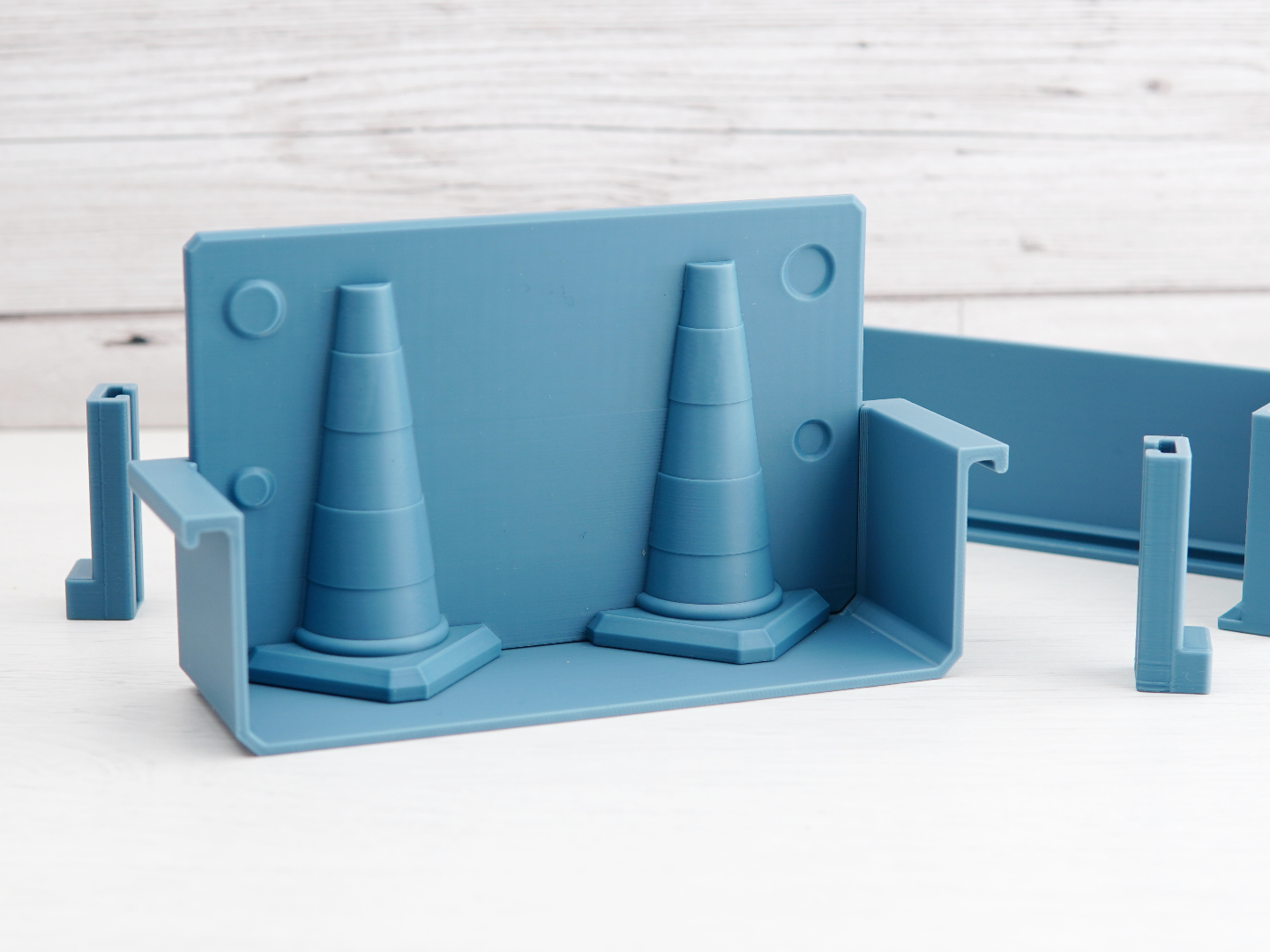
Boost MePlease consider boosting models you find particularly useful, as it supports me to find more time to design and share in the future!This is a multi part system for casting plaster, to produce slipcasting moulds for ceramics. This produces two-part plaster moulds to cast two cones at a time, and I'm using them as both glaze test tiles and as ornaments With the fully 3D printed mould, you’ll benefit from using a release agent on the base plate surface. I use a generic mouldmaker’s soap, but any product designed for plaster release should be fine. The full sized print needs around 250-300ml of plaster, and you can calculate the weight of water and plaster needed with this tool: Plaster Calculator You can scale the print in your slicer to get bigger/smaller robots and it should still work without modification. You can get a much better cast surface, even if your plaster mix is full of air bubbles, by using a paintbrush to dislodge any trapped air from the surface. I would suggest that you pour plaster until the robot’s feet are covered but it isn’t completely full, then get a relatively small paintbrush and move it around in the plaster so that you’re brushing all of the details on the base plate surface. This will dislodge air bubbles, and once dislodged they’ll float upwards. Once you’ve finished this, pour in the rest of the plaster. If you manage to avoid adding more air as you do it (just brush gently), you’ll eventually remove all the bubbles from the surface and get a perfect cast.
Tags
Diseñador
Old Forge Creations